
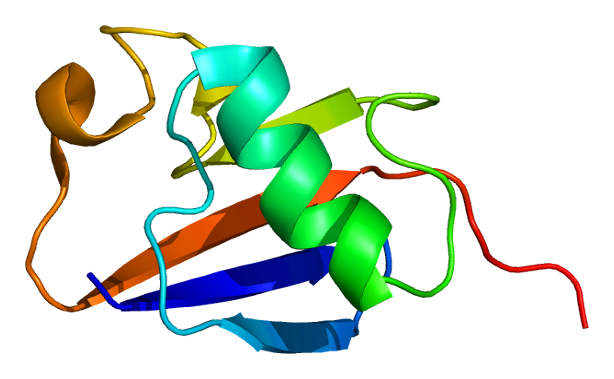
Parkinson’s disease (PD) is a condition of the neurologic system. Tremors, slowed movement, and inflexibility occur. A loss of a transmitter chemical known as dopamine leads to a breakdown of connections in the brain and the characteristic symptoms of the condition. Persons with the condition experience tremors at rest, which typically become progressively more apparent over time. The tremor typically begins in the hand, and then spreads to the other side over the next several years. A decreased ability to use the fingers to accomplish daily tasks occurs. Stiffness and pain in the joints may occur.
Treatments options for PD include levodopa, dopamine agonists, and medications called COMT inhibitors. Levodopa is converted to dopamine in the brain and can help with the tremor and rigidity of PD. Levodopa is often taken in combination with carbidopa (Sinemet) to decrease side effects. Bromocriptine (Parlodel), pramipexole (Mirapex), and ropinirole (Requip) are dopamine agonists, which act by stimulating dopamine receptors, and thereby improve the balance of dopamine in the brain. Tolcapone (Tasmar) and entacapone (Comtan) are COMT inhibitors, and work when taken with levodopa. They may extend and improve the effects of levodopa.


No comments:
Post a Comment