A
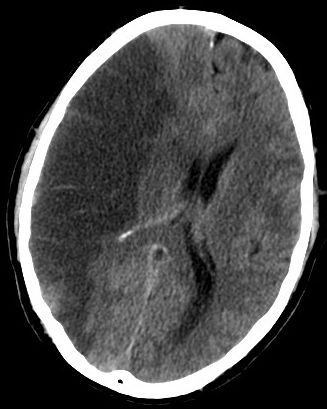
stroke is a cerebrovascular condition that is classified as either ischemic or hemorrhagic. Ischemic stroke occurs from a lack of blood to the brain. Hemorrhagic stroke is a consequence of bleeding from an artery to the brain. Ischemic stroke is the more common of the two. A thrombosis, resulting from plaque buildup in the arteries, or embolism can lead to ischemic stroke. An embolism can occur when a portion of a thrombus breaks off and travels to the brain. Signs that a stroke may be occurring include a drooping appearance on one side of the face, arm numbness, and difficulty speaking. Emergency medical attention should be sought immediately as time is critical in the outcome of a stroke.
For treatment of ischemic stroke, alteplase (Activase) is a thrombolytic medication used intravenously within the first hours following the start of stroke symptoms to restore blood flow to the brain. Alteplase works to dissolve a clot; however, it can lead to bleeding in the brain. For persons who are not able to receive this medication, antithrombotic medications may be used to prevent new clots from forming. Antithrombotics include aspirin, heparin, and low-molecular-weight heparin. Aspirin is an antiplatelet medication that should be started within the first day or two after a stroke. Surgery may be necessary for the treatment of a hemorrhagic stroke.



No comments:
Post a Comment