The genetic condition,
DiGeorge Syndrome, is caused by a chromosome 22 abnormality which is characterized by inadequate development of different parts of the body. Individuals with this condition typically experience abnormalities of the heart, underdevelopment of the thymus, low calcium due to underdevelopment of the parathyroid gland, and behavioral conditions. The thymus normally works in the development of T cells, which are essential to the function of the immune system.
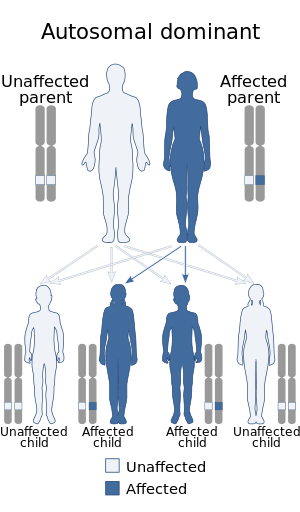
Although there is currently no cure available for DiGeorge syndrome, treatments are available for associated abnormalities. Surgical procedures may be needed to correct heart defects. Signs of low calcium in infants may include muscle jerking. Infants with low levels of calcium may be treated with calcium gluconate. Routine vaccinations are important, as underdevelopment of the thymus gland can contribute to an increased risk for infections. If a behavioral condition such as attention deficit hyperactivity disorder (ADHD) develops, treatments for the specific condition may be prescribed. Methyphenidate (Concerta, Ritalin) is a stimulant that works to increase the amounts of the neurotransmitters dopamine and norepinephrine. Atomoxetine (Strattera) is nonstimulant that works to increase norepinephrine.
More information:
http://en.wikipedia.org/wiki/DiGeorge_Syndrome

Brought to you by Cheek & Scott Drugs, Inc.
A Community Pharmacy serving North Central Florida.
Live Oak:
386-362-2591
1520 Ohio Ave South; Live Oak, FL 32064
Lake City:
386-754-5377
161 Stonegate Ter; Suite 105; Lake City, FL 32024
Online:
www.CheekAndScott.com
Disclaimer


No comments:
Post a Comment